Buy see-you.eu ?
We are moving the project
see-you.eu .
Are you interested in purchasing the domain
see-you.eu ?
domain@kv-gmbh.de · 0541-91531010
Buy see-you.eu ?
How do satellites shine?
Satellites shine by reflecting sunlight off their surfaces. The shiny materials used in the construction of satellites help to reflect sunlight, making them visible from Earth. The amount of sunlight reflected by a satellite can vary depending on its orientation and position relative to the sun. This reflection of sunlight is what allows us to see satellites as they orbit the Earth. **
Which cameras have satellites?
Satellites do not have cameras themselves, but there are satellites in orbit around the Earth that are equipped with cameras for various purposes. These cameras can be found on Earth observation satellites, weather satellites, and surveillance satellites, among others. They are used to capture images and data of the Earth's surface, atmosphere, and space for scientific, commercial, and military applications. **


Similar search terms for Satellites
Top-Angebote
Products related to Satellites:
-
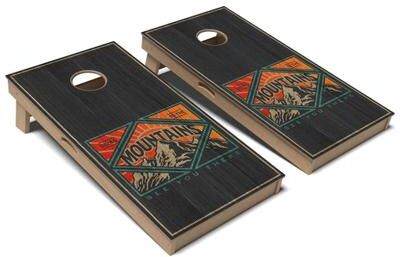
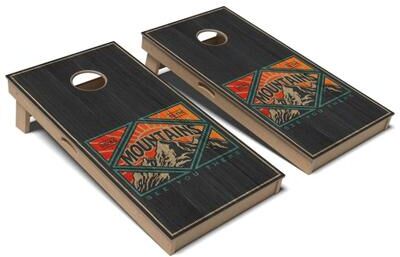
Skip's Garage See You There Cornhole Board SetIncludes: (2) Cornhole Boards & (8) Bags. Easily Choose Your Board Size & Type. Bags Will Complement The Board Colors. Easily Message Us Bag Color Requests. Add Accessories like Carry Cases or LED Hole Lights.314,99 $*Shipping: 0,00 $Secure redirect to the provider
-
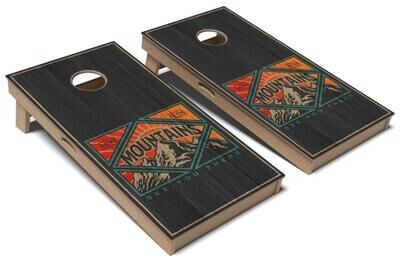
Skip's Garage See You There Cornhole Board SetIncludes: (2) Cornhole Boards & (8) Bags. Easily Choose Your Board Size & Type. Bags Will Complement The Board Colors. Easily Message Us Bag Color Requests. Add Accessories like Carry Cases or LED Hole Lights.327,99 $*Shipping: 0,00 $Secure redirect to the provider
-
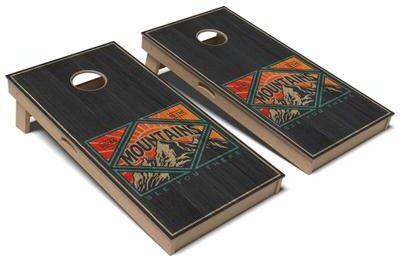
Skip's Garage See You There Cornhole Board SetIncludes: (2) Cornhole Boards & (8) Bags. Easily Choose Your Board Size & Type. Bags Will Complement The Board Colors. Easily Message Us Bag Color Requests. Add Accessories like Carry Cases or LED Hole Lights.372,49 $*Shipping: 0,00 $Secure redirect to the provider

-
Have you seen the Starlink satellites?
As an AI, I don't have the ability to physically see objects in the sky. However, I am aware that the Starlink satellites are part of a satellite internet constellation being developed by SpaceX. They are visible to the naked eye as they pass overhead in a line formation, and many people have reported seeing them in the night sky. **
-
Why can't we see satellites in photos of the Earth?
Satellites are typically too small and too far away to be visible in photos of the Earth taken from space. Most satellites orbit at altitudes of several hundred kilometers to several thousand kilometers above the Earth's surface, making them difficult to spot in photos taken from the ground or even from other satellites. Additionally, the vastness of the Earth's surface and the relatively small size of satellites make them hard to distinguish in photos, especially when compared to the size of the planet. **
-
How far can satellites fly?
Satellites can fly as far as their orbit allows them to. The distance a satellite can travel is determined by its orbit height and speed. Low Earth Orbit (LEO) satellites typically fly at altitudes ranging from 160 to 2,000 kilometers above the Earth's surface, while Geostationary Earth Orbit (GEO) satellites are positioned at an altitude of about 35,786 kilometers. The farthest distance a satellite can travel is limited by its fuel supply and the lifespan of its components. **
-
How do satellites fly around?
Satellites fly around in space by following specific orbits around the Earth. These orbits are carefully calculated to ensure that the satellite remains in a stable position relative to the Earth. Satellites can be placed in different types of orbits, such as low Earth orbit (LEO), geostationary orbit (GEO), or polar orbit, depending on their intended purpose. Once in their designated orbit, satellites rely on the laws of physics, such as gravity and inertia, to maintain their position and speed as they move around the Earth. Additionally, satellites may use onboard propulsion systems to make small adjustments to their orbits as needed. **
How can one ride satellites?
One can ride satellites by becoming an astronaut and participating in a space mission. Astronauts are trained to operate spacecraft and conduct experiments in the microgravity environment of space. They are launched into space aboard rockets and then travel to and from satellites or the International Space Station. Riding satellites requires extensive training, physical fitness, and a strong understanding of space technology and operations. **
How are GPS satellites calibrated?
GPS satellites are calibrated using ground-based monitoring stations that track the signals transmitted by the satellites. These monitoring stations measure the precise timing and positioning of the signals, allowing for any discrepancies to be identified and corrected. Additionally, the satellites themselves have onboard atomic clocks that are regularly checked and adjusted to ensure accurate timing. Overall, a combination of ground-based monitoring and onboard clock adjustments are used to calibrate GPS satellites and maintain their accuracy. **
Top-Angebote
Products related to Satellites:
-
"""If You See Kay""" """If You See Kay 2020 Red Wine - California""""""Deep garnet color. Aromas of ripe fresh picked blueberries with hints of leather, clove and sage. Full bodied with black bramble fruit and star anise flavors. The wine is juicy and has big but supple tannic structure with long savory finish."""24,97 $*Shipping: 0,00 $Secure redirect to the provider
-
Scholastic Party Pack: Can You See What I See? 100 Fun FindsPerfect for gifting! These party packs feature some of our most loved titles. Includes eight copies of the same book.Can You See What I See? 100 Fun Finds Read-and-Seek Party Pack: Can You See What I See? 100 Fun Finds27,99 $*Shipping: 0,00 $Secure redirect to the provider
-
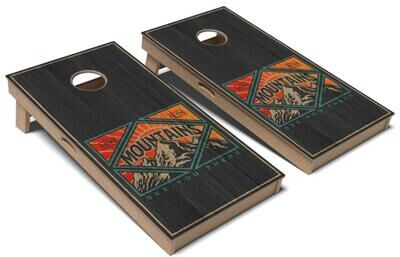
Skip's Garage See You There Cornhole Board SetIncludes: (2) Cornhole Boards & (8) Bags. Easily Choose Your Board Size & Type. Bags Will Complement The Board Colors. Easily Message Us Bag Color Requests. Add Accessories like Carry Cases or LED Hole Lights.314,99 $*Shipping: 0,00 $Secure redirect to the provider
-
How do satellites shine?
Satellites shine by reflecting sunlight off their surfaces. The shiny materials used in the construction of satellites help to reflect sunlight, making them visible from Earth. The amount of sunlight reflected by a satellite can vary depending on its orientation and position relative to the sun. This reflection of sunlight is what allows us to see satellites as they orbit the Earth. **
-
Which cameras have satellites?
Satellites do not have cameras themselves, but there are satellites in orbit around the Earth that are equipped with cameras for various purposes. These cameras can be found on Earth observation satellites, weather satellites, and surveillance satellites, among others. They are used to capture images and data of the Earth's surface, atmosphere, and space for scientific, commercial, and military applications. **
-
Have you seen the Starlink satellites?
As an AI, I don't have the ability to physically see objects in the sky. However, I am aware that the Starlink satellites are part of a satellite internet constellation being developed by SpaceX. They are visible to the naked eye as they pass overhead in a line formation, and many people have reported seeing them in the night sky. **
-
Why can't we see satellites in photos of the Earth?
Satellites are typically too small and too far away to be visible in photos of the Earth taken from space. Most satellites orbit at altitudes of several hundred kilometers to several thousand kilometers above the Earth's surface, making them difficult to spot in photos taken from the ground or even from other satellites. Additionally, the vastness of the Earth's surface and the relatively small size of satellites make them hard to distinguish in photos, especially when compared to the size of the planet. **
Similar search terms for Satellites
-
Skip's Garage See You There Cornhole Board SetIncludes: (2) Cornhole Boards & (8) Bags. Easily Choose Your Board Size & Type. Bags Will Complement The Board Colors. Easily Message Us Bag Color Requests. Add Accessories like Carry Cases or LED Hole Lights.327,99 $*Shipping: 0,00 $Secure redirect to the provider
-
Skip's Garage See You There Cornhole Board SetIncludes: (2) Cornhole Boards & (8) Bags. Easily Choose Your Board Size & Type. Bags Will Complement The Board Colors. Easily Message Us Bag Color Requests. Add Accessories like Carry Cases or LED Hole Lights.372,49 $*Shipping: 0,00 $Secure redirect to the provider
-
Skip's Garage See You There Cornhole Board SetIncludes: (2) Cornhole Boards & (8) Bags. Easily Choose Your Board Size & Type. Bags Will Complement The Board Colors. Easily Message Us Bag Color Requests. Add Accessories like Carry Cases or LED Hole Lights.409,99 $*Shipping: 0,00 $Secure redirect to the provider
-
How far can satellites fly?
Satellites can fly as far as their orbit allows them to. The distance a satellite can travel is determined by its orbit height and speed. Low Earth Orbit (LEO) satellites typically fly at altitudes ranging from 160 to 2,000 kilometers above the Earth's surface, while Geostationary Earth Orbit (GEO) satellites are positioned at an altitude of about 35,786 kilometers. The farthest distance a satellite can travel is limited by its fuel supply and the lifespan of its components. **
-
How do satellites fly around?
Satellites fly around in space by following specific orbits around the Earth. These orbits are carefully calculated to ensure that the satellite remains in a stable position relative to the Earth. Satellites can be placed in different types of orbits, such as low Earth orbit (LEO), geostationary orbit (GEO), or polar orbit, depending on their intended purpose. Once in their designated orbit, satellites rely on the laws of physics, such as gravity and inertia, to maintain their position and speed as they move around the Earth. Additionally, satellites may use onboard propulsion systems to make small adjustments to their orbits as needed. **
-
How can one ride satellites?
One can ride satellites by becoming an astronaut and participating in a space mission. Astronauts are trained to operate spacecraft and conduct experiments in the microgravity environment of space. They are launched into space aboard rockets and then travel to and from satellites or the International Space Station. Riding satellites requires extensive training, physical fitness, and a strong understanding of space technology and operations. **
-
How are GPS satellites calibrated?
GPS satellites are calibrated using ground-based monitoring stations that track the signals transmitted by the satellites. These monitoring stations measure the precise timing and positioning of the signals, allowing for any discrepancies to be identified and corrected. Additionally, the satellites themselves have onboard atomic clocks that are regularly checked and adjusted to ensure accurate timing. Overall, a combination of ground-based monitoring and onboard clock adjustments are used to calibrate GPS satellites and maintain their accuracy. **
* All prices are inclusive of VAT and, if applicable, plus shipping costs. The offer information is based on the details provided by the respective shop and is updated through automated processes. Real-time updates do not occur, so deviations can occur in individual cases. ** Note: Parts of this content were created by AI.