Buy see-you.eu ?
We are moving the project
see-you.eu .
Are you interested in purchasing the domain
see-you.eu ?
domain@kv-gmbh.de · 0541-91531010
Buy see-you.eu ?
What is buoyancy?
Buoyancy is the ability of an object to float in a fluid, typically water or air. It is determined by the relationship between the object's weight and the amount of fluid it displaces. If an object is less dense than the fluid it is in, it will float, while if it is more dense, it will sink. Buoyancy is what allows boats and ships to float on water and hot air balloons to rise in the air. **
What is buoyancy 2?
Buoyancy 2 refers to the ability of an object to float or be supported by a fluid, typically water. It is determined by the relationship between the weight of the object and the upward force exerted by the fluid it is submerged in. If the object is less dense than the fluid, it will float; if it is more dense, it will sink. Buoyancy 2 plays a crucial role in various fields such as engineering, naval architecture, and physics. **

Similar search terms for Buoyancy
Top-Angebote
Products related to Buoyancy:
-
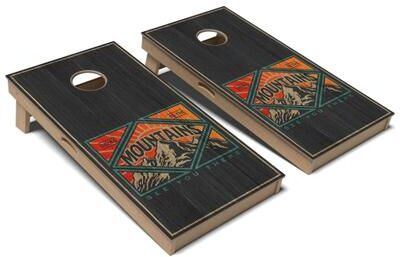
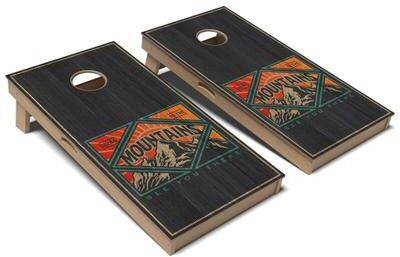
Skip's Garage See You There Cornhole Board SetIncludes: (2) Cornhole Boards & (8) Bags. Easily Choose Your Board Size & Type. Bags Will Complement The Board Colors. Easily Message Us Bag Color Requests. Add Accessories like Carry Cases or LED Hole Lights.263,99 $*Shipping: 0,00 $Secure redirect to the provider
-
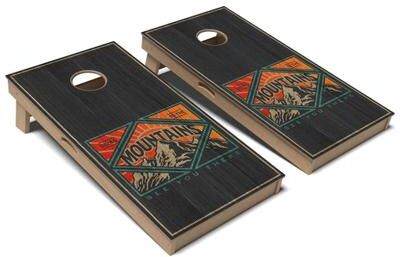
Skip's Garage See You There Cornhole Board SetIncludes: (2) Cornhole Boards & (8) Bags. Easily Choose Your Board Size & Type. Bags Will Complement The Board Colors. Easily Message Us Bag Color Requests. Add Accessories like Carry Cases or LED Hole Lights.314,99 $*Shipping: 0,00 $Secure redirect to the provider
-
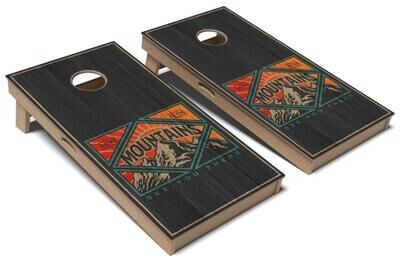
Skip's Garage See You There Cornhole Board SetIncludes: (2) Cornhole Boards & (8) Bags. Easily Choose Your Board Size & Type. Bags Will Complement The Board Colors. Easily Message Us Bag Color Requests. Add Accessories like Carry Cases or LED Hole Lights.353,49 $*Shipping: 0,00 $Secure redirect to the provider
-
What is buoyancy in physics?
Buoyancy in physics refers to the upward force exerted by a fluid that opposes the weight of an object immersed in it. This force is a result of the pressure difference between the top and bottom of the object. Objects will float if their weight is less than the buoyant force acting on them, and sink if their weight is greater. Buoyancy plays a crucial role in determining whether objects float or sink in fluids such as water. **
-
What does buoyancy depend on?
Buoyancy depends on the density of the fluid and the volume of the object submerged in the fluid. When an object is placed in a fluid, the fluid exerts an upward force on the object, which is known as the buoyant force. This force is equal to the weight of the fluid displaced by the object. Therefore, the buoyancy of an object depends on the density of the fluid and the volume of the object, as these factors determine the amount of fluid displaced and the buoyant force exerted on the object. **
-
How do you calculate a buoyancy body?
To calculate the buoyancy force acting on a body, you can use the formula: Buoyancy force = weight of the fluid displaced by the body. This can be calculated using the formula: Buoyancy force = density of the fluid x volume of the fluid displaced x acceleration due to gravity. The density of the fluid and the volume of the fluid displaced can be determined based on the specific properties of the fluid and the shape of the body. Once these values are known, the buoyancy force can be calculated. **
-
How is buoyancy calculated in physics?
Buoyancy is calculated in physics using Archimedes' principle, which states that the buoyant force acting on an object immersed in a fluid is equal to the weight of the fluid displaced by the object. The buoyant force can be calculated by multiplying the density of the fluid, the acceleration due to gravity, and the volume of the fluid displaced by the object. By comparing the buoyant force to the weight of the object, one can determine whether the object will float, sink, or remain suspended in the fluid. **

What is the law of buoyancy?
The law of buoyancy, also known as Archimedes' principle, states that an object immersed in a fluid experiences an upward force equal to the weight of the fluid it displaces. This means that an object will float if it is less dense than the fluid it is immersed in, and it will sink if it is more dense. The buoyant force is what allows objects to float in water and is the reason why ships and other heavy objects can stay afloat. **
How is buoyancy created in water?
Buoyancy in water is created by the upward force exerted by the water on an object placed in it. This force is known as the buoyant force and is a result of the pressure difference between the top and bottom of the submerged object. The pressure at the bottom of the object is higher than at the top, causing a net upward force. This buoyant force is equal to the weight of the water displaced by the object, allowing it to float or be pushed upward when submerged. **
Top-Angebote
Products related to Buoyancy:
-
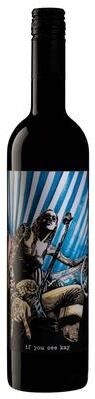
"""If You See Kay""" """If You See Kay 2020 Red Wine - California""""""Deep garnet color. Aromas of ripe fresh picked blueberries with hints of leather, clove and sage. Full bodied with black bramble fruit and star anise flavors. The wine is juicy and has big but supple tannic structure with long savory finish."""24,97 $*Shipping: 0,00 $Secure redirect to the provider
-
Scholastic Party Pack: Can You See What I See? 100 Fun FindsPerfect for gifting! These party packs feature some of our most loved titles. Includes eight copies of the same book.Can You See What I See? 100 Fun Finds Read-and-Seek Party Pack: Can You See What I See? 100 Fun Finds27,99 $*Shipping: 0,00 $Secure redirect to the provider
-
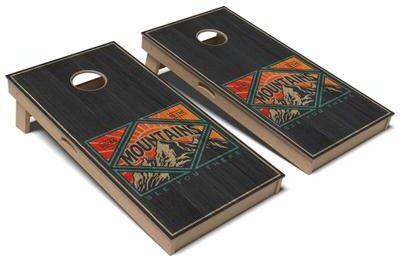
Skip's Garage See You There Cornhole Board SetIncludes: (2) Cornhole Boards & (8) Bags. Easily Choose Your Board Size & Type. Bags Will Complement The Board Colors. Easily Message Us Bag Color Requests. Add Accessories like Carry Cases or LED Hole Lights.263,99 $*Shipping: 0,00 $Secure redirect to the provider
-
Skip's Garage See You There Cornhole Board SetIncludes: (2) Cornhole Boards & (8) Bags. Easily Choose Your Board Size & Type. Bags Will Complement The Board Colors. Easily Message Us Bag Color Requests. Add Accessories like Carry Cases or LED Hole Lights.314,99 $*Shipping: 0,00 $Secure redirect to the provider
-
What is buoyancy?
Buoyancy is the ability of an object to float in a fluid, typically water or air. It is determined by the relationship between the object's weight and the amount of fluid it displaces. If an object is less dense than the fluid it is in, it will float, while if it is more dense, it will sink. Buoyancy is what allows boats and ships to float on water and hot air balloons to rise in the air. **
-
What is buoyancy 2?
Buoyancy 2 refers to the ability of an object to float or be supported by a fluid, typically water. It is determined by the relationship between the weight of the object and the upward force exerted by the fluid it is submerged in. If the object is less dense than the fluid, it will float; if it is more dense, it will sink. Buoyancy 2 plays a crucial role in various fields such as engineering, naval architecture, and physics. **
-
What is buoyancy in physics?
Buoyancy in physics refers to the upward force exerted by a fluid that opposes the weight of an object immersed in it. This force is a result of the pressure difference between the top and bottom of the object. Objects will float if their weight is less than the buoyant force acting on them, and sink if their weight is greater. Buoyancy plays a crucial role in determining whether objects float or sink in fluids such as water. **
-
What does buoyancy depend on?
Buoyancy depends on the density of the fluid and the volume of the object submerged in the fluid. When an object is placed in a fluid, the fluid exerts an upward force on the object, which is known as the buoyant force. This force is equal to the weight of the fluid displaced by the object. Therefore, the buoyancy of an object depends on the density of the fluid and the volume of the object, as these factors determine the amount of fluid displaced and the buoyant force exerted on the object. **
Similar search terms for Buoyancy
-
Skip's Garage See You There Cornhole Board SetIncludes: (2) Cornhole Boards & (8) Bags. Easily Choose Your Board Size & Type. Bags Will Complement The Board Colors. Easily Message Us Bag Color Requests. Add Accessories like Carry Cases or LED Hole Lights.314,99 $*Shipping: 0,00 $Secure redirect to the provider
-
Skip's Garage See You There Cornhole Board SetIncludes: (2) Cornhole Boards & (8) Bags. Easily Choose Your Board Size & Type. Bags Will Complement The Board Colors. Easily Message Us Bag Color Requests. Add Accessories like Carry Cases or LED Hole Lights.353,49 $*Shipping: 0,00 $Secure redirect to the provider
-
Skip's Garage See You There Cornhole Board SetIncludes: (2) Cornhole Boards & (8) Bags. Easily Choose Your Board Size & Type. Bags Will Complement The Board Colors. Easily Message Us Bag Color Requests. Add Accessories like Carry Cases or LED Hole Lights.327,99 $*Shipping: 0,00 $Secure redirect to the provider
-
Skip's Garage See You There Cornhole Board SetIncludes: (2) Cornhole Boards & (8) Bags. Easily Choose Your Board Size & Type. Bags Will Complement The Board Colors. Easily Message Us Bag Color Requests. Add Accessories like Carry Cases or LED Hole Lights.372,49 $*Shipping: 0,00 $Secure redirect to the provider
-
How do you calculate a buoyancy body?
To calculate the buoyancy force acting on a body, you can use the formula: Buoyancy force = weight of the fluid displaced by the body. This can be calculated using the formula: Buoyancy force = density of the fluid x volume of the fluid displaced x acceleration due to gravity. The density of the fluid and the volume of the fluid displaced can be determined based on the specific properties of the fluid and the shape of the body. Once these values are known, the buoyancy force can be calculated. **
-
How is buoyancy calculated in physics?
Buoyancy is calculated in physics using Archimedes' principle, which states that the buoyant force acting on an object immersed in a fluid is equal to the weight of the fluid displaced by the object. The buoyant force can be calculated by multiplying the density of the fluid, the acceleration due to gravity, and the volume of the fluid displaced by the object. By comparing the buoyant force to the weight of the object, one can determine whether the object will float, sink, or remain suspended in the fluid. **
-
What is the law of buoyancy?
The law of buoyancy, also known as Archimedes' principle, states that an object immersed in a fluid experiences an upward force equal to the weight of the fluid it displaces. This means that an object will float if it is less dense than the fluid it is immersed in, and it will sink if it is more dense. The buoyant force is what allows objects to float in water and is the reason why ships and other heavy objects can stay afloat. **
-
How is buoyancy created in water?
Buoyancy in water is created by the upward force exerted by the water on an object placed in it. This force is known as the buoyant force and is a result of the pressure difference between the top and bottom of the submerged object. The pressure at the bottom of the object is higher than at the top, causing a net upward force. This buoyant force is equal to the weight of the water displaced by the object, allowing it to float or be pushed upward when submerged. **
* All prices are inclusive of VAT and, if applicable, plus shipping costs. The offer information is based on the details provided by the respective shop and is updated through automated processes. Real-time updates do not occur, so deviations can occur in individual cases. ** Note: Parts of this content were created by AI.